On September 29, I attended the Central Fort Bend Chamber’s Building Fort Bend Breakfast at Safari Texas Ranch in Richmond. The presentations and panel discussion brought together people working in economic development, housing, retail and transportation. Their projects differed, but the conversation kept returning to the same practical question: how do we make sure roads, jobs and community services keep pace with Fort Bend’s growth?
Chamber Chair Kyle Atchison of Frost Bank welcomed attendees, and Megan Crutcher of Odyssey Engineering Group moderated the panel. Participants included Lacie Chambers of Develop Richmond; Mary Culver of the Rosenberg Development Corporation; Barkley Peschel of Colliers; Stephen Brovarone of The George; JoBeth Prochaska of Park Collective Retail; and Carl Highsmith of the Fort Bend County Toll Road Authority.
Chambers described Richmond’s effort to guide development as it arrives. The city has updated its land use planning and economic strategy and is working on a citywide mobility plan. She emphasized attracting employers and jobs alongside residential and retail growth, particularly along the Highway 59 corridor toward FM 762. That approach matters to residents who want more opportunities close to home.
Brovarone presented The George’s 1,500-acre community plan, which includes residential neighborhoods, trails, neighborhood parks and a planned Lamar CISD school site. He also discussed pedestrian routes and crossings designed to help children reach school safely. The details showed how school access and recreation can be planned as neighborhoods take shape.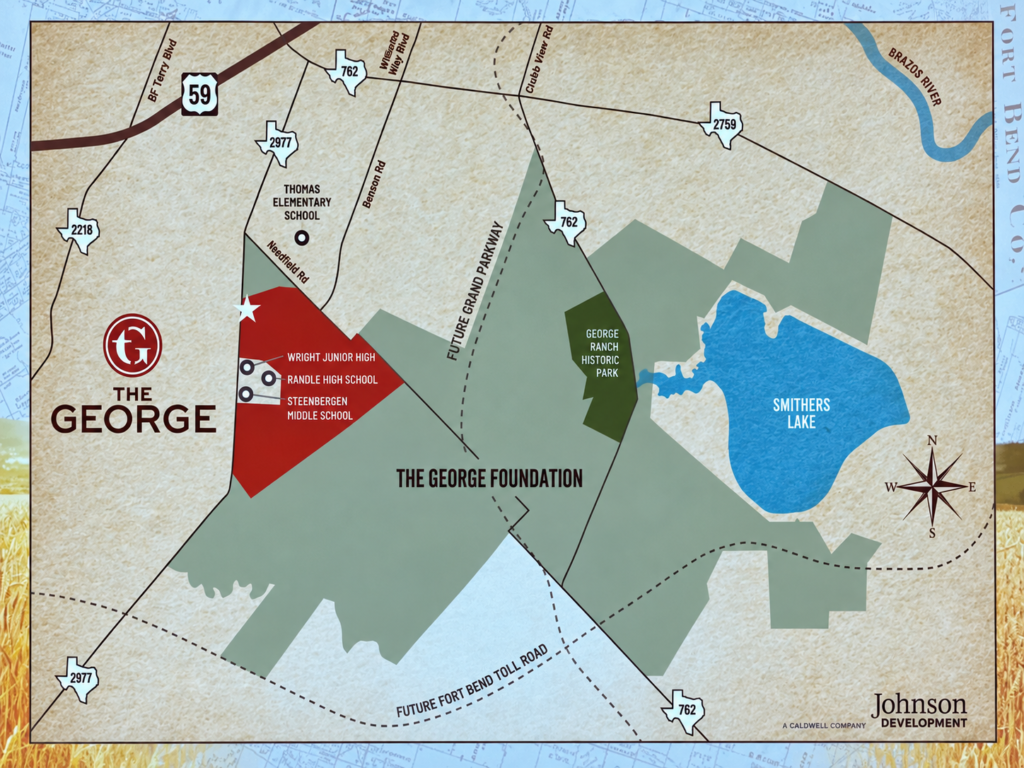
Prochaska discussed a planned Sam’s Club near Highway 59 and FM 762, along with opportunities for nearby restaurants and additional retail. She pointed to traffic patterns and the need for customers throughout the day when considering dining options. The Shops at Circle Oak presentation showed more retail space and pad sites near Brazos Town Center. These projects give a more concrete picture of how commercial activity may follow residential growth.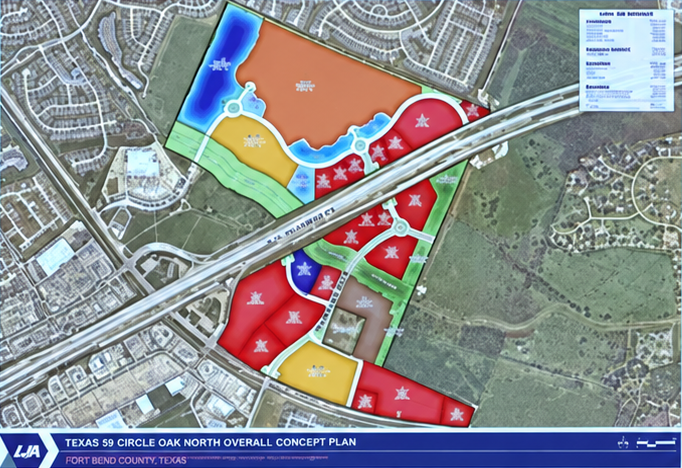
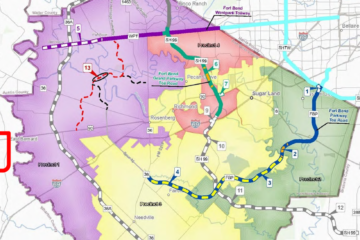
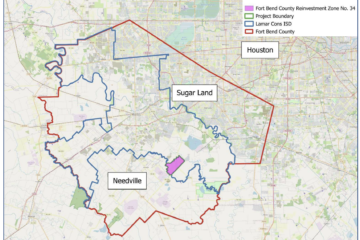
Highsmith explained that toll road routes and access points take years to plan. The authority works with developers to consider where residents and jobs will be, how drivers can reach the roadway and whether projected traffic can support the road. His presentation mapped existing corridors and possible future connections; the future alignments were marked as preliminary and subject to change.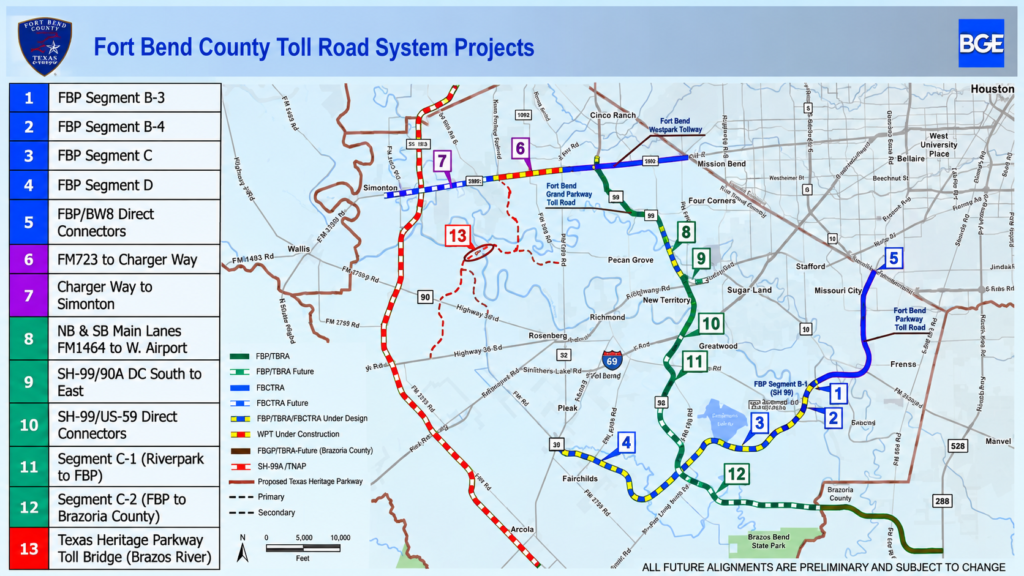
The panel also discussed the need for a balanced mix of development. Retail often follows enough nearby households, while employers bring jobs and daytime customers. Commercial activity can broaden the local tax base. Speakers stressed that infrastructure and workforce needs have to be considered along with the next subdivision or shopping center.
As County Treasurer, I paid close attention to the connection between growth and the public resources required to serve it. New development brings opportunity, but roads and public services have costs to build and maintain. Sound financial planning has to consider what a project requires today and what it will require in the years ahead. That perspective is part of my responsibility to safeguard Fort Bend County’s dollars.
Thank you to the Central Fort Bend Chamber, the panelists and moderator, and supporting sponsors DCCM, Johnson Development Corporation and Odyssey Engineering Group. I appreciated hearing directly from the people working on these projects and taking part in a discussion that matters to families, businesses and taxpayers across Fort Bend County.